
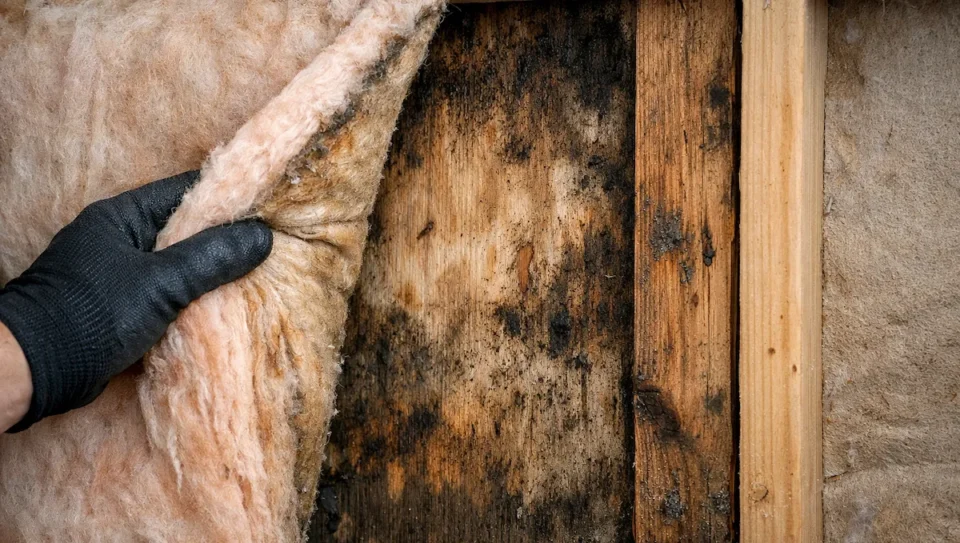
Moisture problems in a home can cause serious damage if left without attention. Walls, ceilings, and floors all depend on proper insulation to stay dry and stable. When insulation fails or gets installed the wrong way, water vapor has no barrier to stop it.
Many homeowners do not connect wet walls or a damp basement to an insulation problem, yet that connection is direct and real. This article covers the most common causes of moisture issues tied to poor insulation, so homeowners can act before the damage gets worse and can contact an insulation contractor in Farmington.
Air Leaks Around Windows and Doors
Windows and doors are two of the most common entry points for outside air in any home. When the insulation around these frames is thin, compressed, or absent, warm indoor air escapes and cold outdoor air moves in. That exchange creates the exact temperature difference that causes condensation on surfaces nearby.
Homeowners may notice fogged glass, damp window sills, or paint that peels near door frames without ever connecting it to an insulation gap. A trusted contractor in Farmington can locate these entry points quickly and seal them before moisture causes structural damage.
Thin or Uneven Attic Coverage
The attic is one of the first places moisture damage takes hold when insulation is thin or spread unevenly. Heat from the living space below rises and meets the cold underside of the roof deck when coverage is insufficient. That temperature difference produces condensation on wood rafters and roof sheathing, which leads to rot and mold over time.
Thin spots also form when loose-fill insulation settles toward the center and leaves the edges of the attic floor exposed. A complete attic inspection from a trusted contractor in Farmington helps confirm whether current coverage meets the recommended R-value for the local climate.
Poor Vapor Barrier Placement
A vapor barrier controls which direction moisture travels through a wall or floor assembly. When it sits on the wrong side of the insulation, it traps moisture inside the wall cavity instead of blocking it from entering. That trapped moisture has nowhere to dry out, and the insulation absorbs it steadily until it becomes saturated.
Wet insulation loses nearly all of its thermal resistance and begins to compress under its own weight. Correct vapor barrier placement depends on the climate zone, and a professional assessment in Farmington ensures the barrier works with the insulation rather than against it.
Cold Spots Inside Exterior Walls
Cold spots on interior walls are a reliable indicator that insulation behind them is missing, damaged, or compressed. When a section of wall lacks proper coverage, the surface temperature drops noticeably compared to the surrounding area. Warm, humid indoor air then moves toward that cold surface and releases moisture as condensation. That process repeats every time the temperature outside drops, and the cumulative moisture builds up faster than the materials can dry out. An insulation contractor in Farmington can use thermal imaging to map these cold spots accurately and determine the best correction for each one.
Moisture damage tied to poor insulation costs homeowners far more to repair than it does to prevent. Gaps around windows, uneven attic coverage, failed vapor barriers, and exposed basement walls all create conditions where water vapor builds up unchecked. The smartest step a homeowner can take right now is to schedule a professional insulation inspection before the next season change. A qualified expert inFarmington will find the weak spots, recommend the right materials, and make sure every area of the home has the protection it needs to stay dry and structurally sound.
